Games
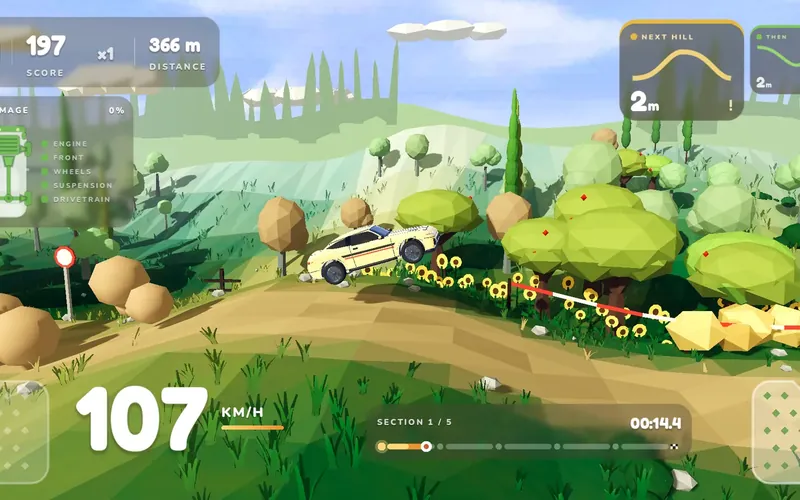
Rally Flow
Design: one control, the throttle, and no control in the air. Pacenote cards show the next crest, so every jump is decided before take-off. Six stages, a duel, free ride and a garage, with no ads and no purchases.
Game page →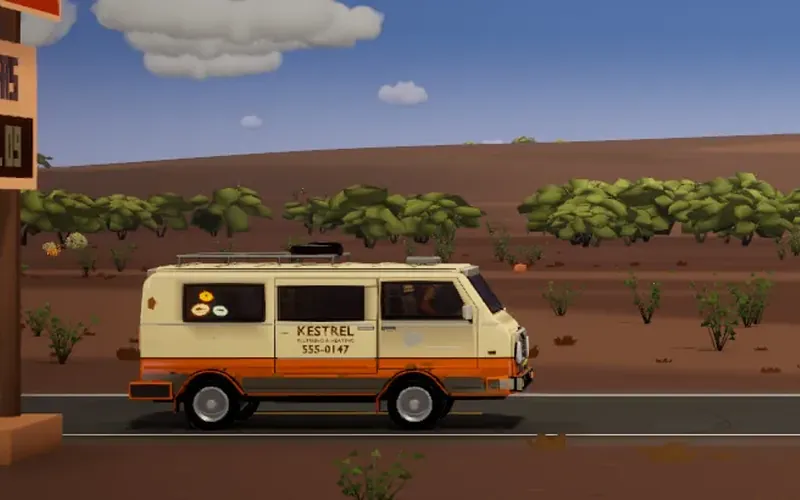
Mile2Mile
Design: you never steer. The van drives itself, and the turn signal decides every turn and stop. Parcel jobs, hitchhikers, fuel and flat tyres. Six playtests in three weeks shaped the map and the rules.
Game page →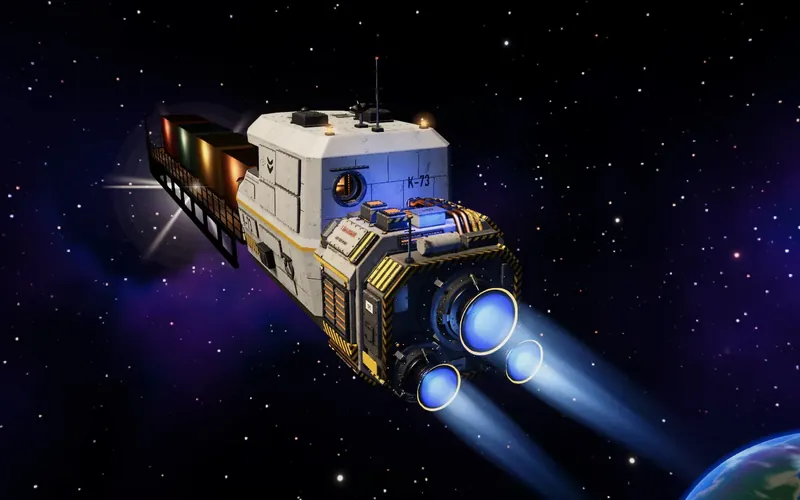
Starlane Logistics
Design: the ship is your home. A cold start switch by switch, a cab you live in, a hyperlane ride. I cut a big first concept down to one small tug.
Game page →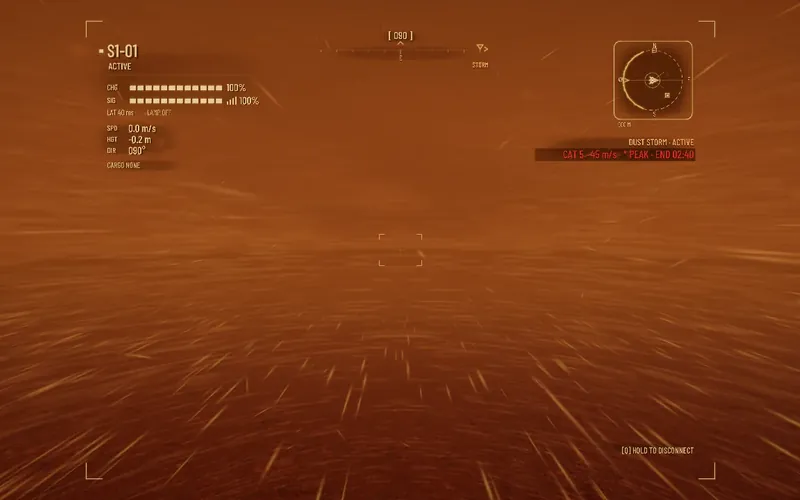
Colony (working title)
Design: you stay in the capsule and work outside through a robot. Dust storms in five categories, and a slingshot scanner instead of a compass.
Game page →HUB
Design: the AI tells the story, and a deterministic engine owns the world. Every action goes through a closed list, so the model cannot change the world with words.
Game page →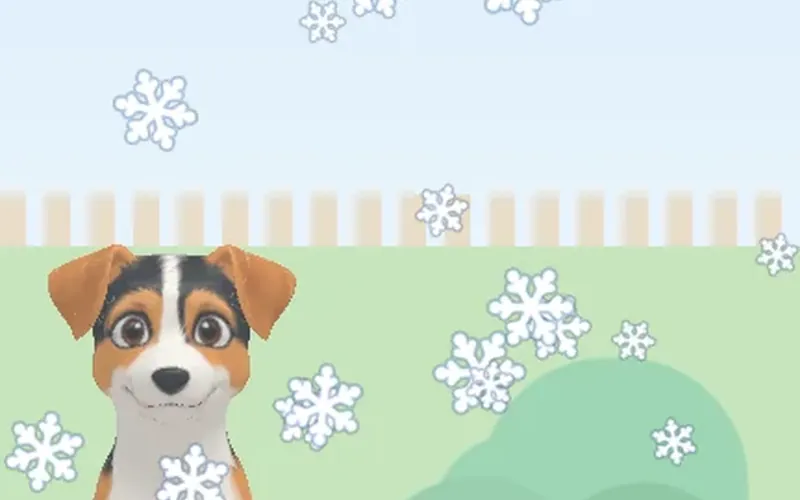
My Friend Max
Design: made for small children, so there are no punishments, coins, timers or ads. One hidden need, sleep, instead of meters.
Game page →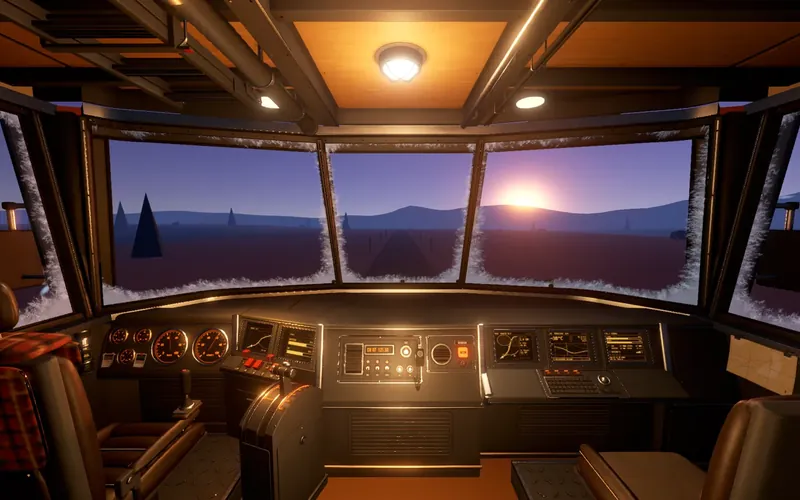
The Long Expedition
Design: −40° outside, a warm home inside. A walkable 15.5 m truck that keeps driving while you move through it and climb onto the roof.
Game page →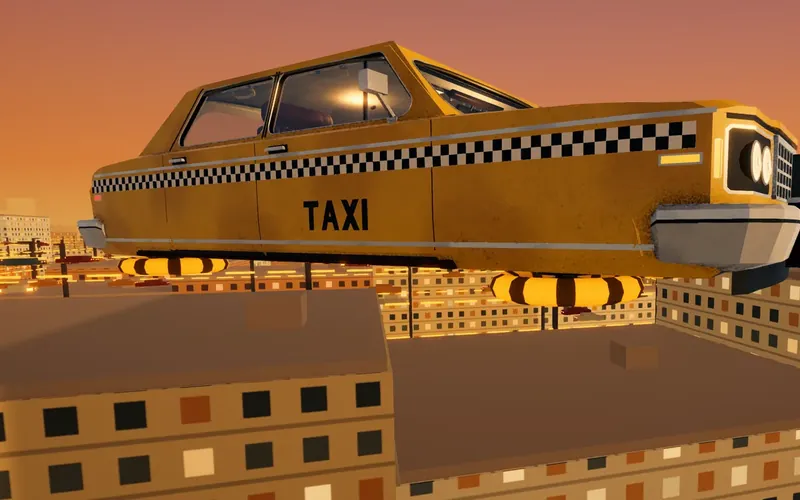
AirTaxi
Design: power lanes on the walls hold the whole city in one 3×3 grid. Fly low, fly in the grid, or leave it on your battery.
Game page →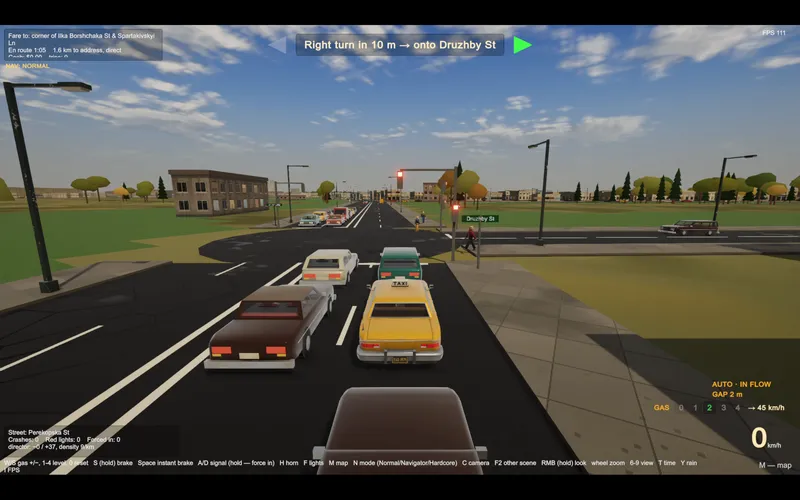
Taxi in Your City (working title)
Design: you never steer: gas lever, turn signal, horn and a paper map. The city is real, imported from OpenStreetMap; the first one is Kherson.
Game page →